Designing School Playgrounds for Hot Weather: 5 Things to Consider
November 4th, 2026
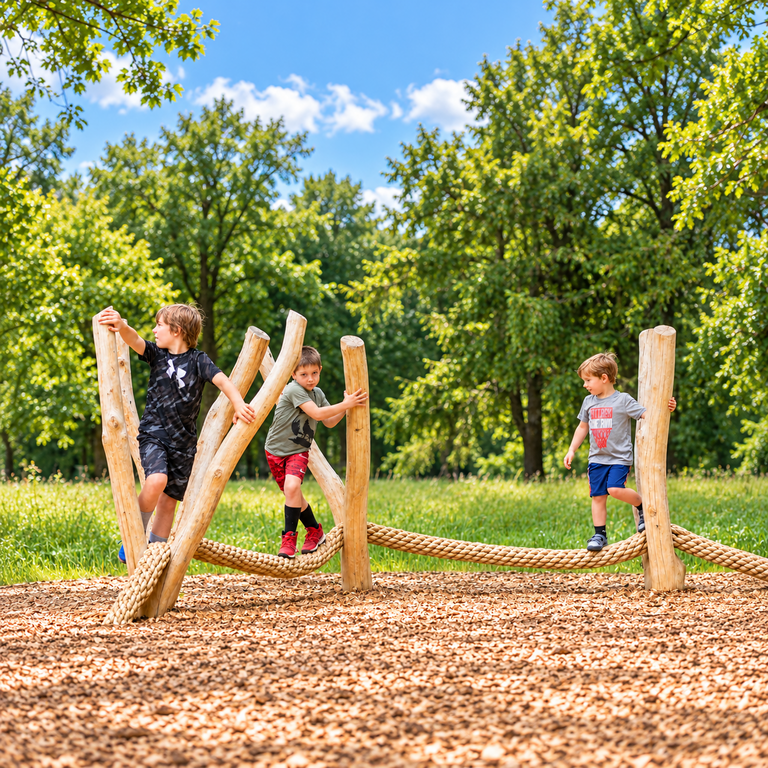
A playground might look like one big outdoor space, but when temperatures rise, different areas can experience very different conditions.
An exposed slide, a shaded platform, an asphalt court, and a grassy gathering area may all respond differently to the sun. And depending on the time of day, those conditions can change significantly.
Recent research reinforces the importance of considering heat when planning school playgrounds. A 2026 study of schools in Orange County, California, identified substantial differences in surface temperatures across campuses. Another study explored how evaluating playgrounds by activity zone can help inform decisions about shade, sun protection, and play opportunities.
For schools planning new playgrounds or improving existing ones, the takeaway is simple: a thoughtful design considers where children play, when they play, and how the environment changes throughout the day.
Here are five things to consider when planning a playground for warmer weather.
1. Understand When and Where Students Play
Before selecting playground equipment, think about how students will use the space throughout the school day.
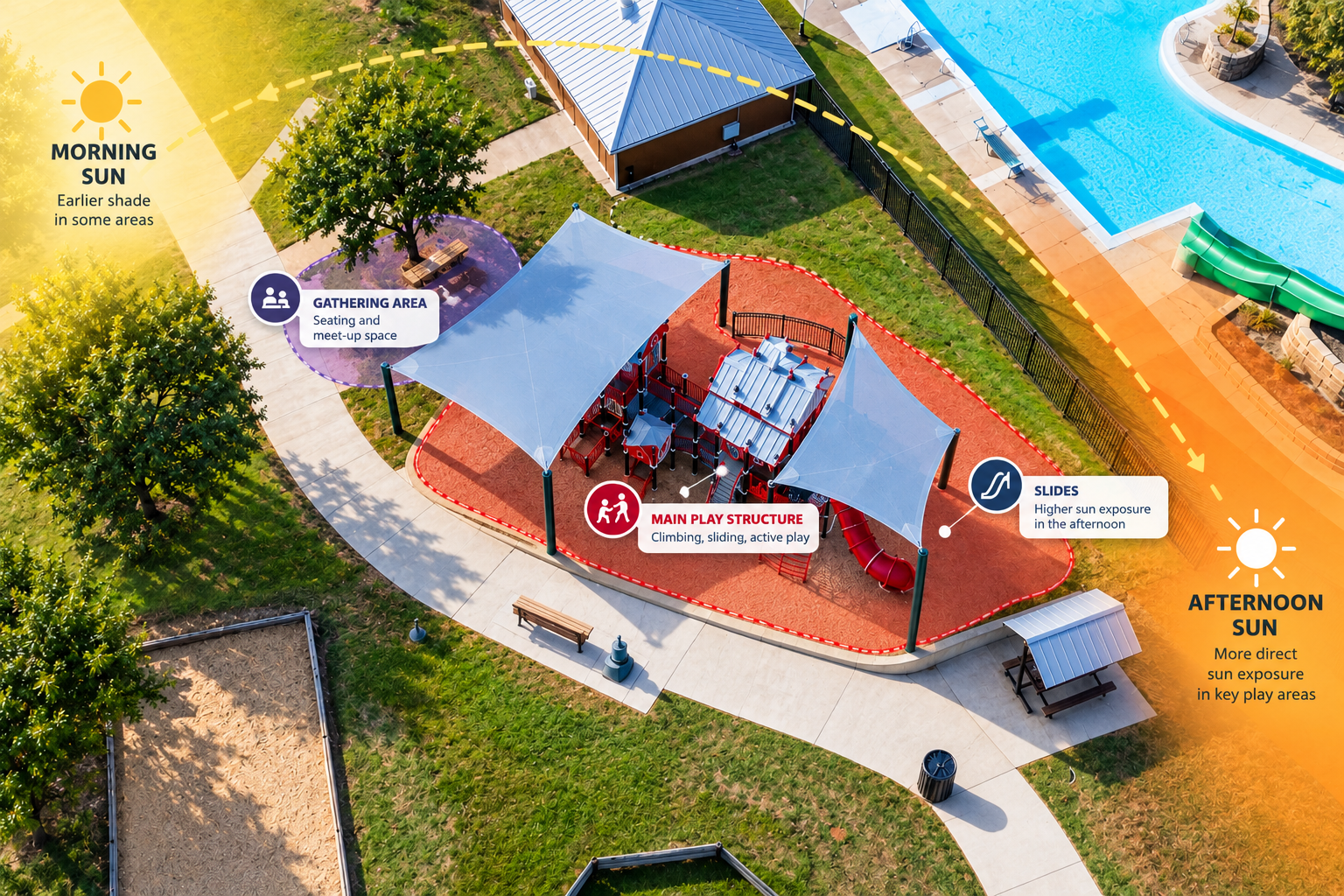
Morning recess might take place in relatively comfortable conditions, while afternoon physical education could bring significantly more sun exposure. Some areas may receive shade early in the day but sit in direct sunlight during peak playground hours.
Start by asking a few questions:
- What times of day will students use the playground?
- Which areas receive the most direct sunlight?
- Where will children spend the most time playing, waiting, or gathering?
- Are there areas where students may need additional shade or opportunities to rest?
Understanding these patterns early can help guide equipment placement, shade planning, and the overall playground layout.
2. Put Shade Where It Matters Most
Shade can play an important role in reducing direct sun exposure, but its location matters just as much as its size.
A large shade canopy might cover an open area beautifully in the morning while leaving the busiest play structures exposed during afternoon recess.
When developing a playground layout, consider how shade will move throughout the day and which areas would benefit most from coverage.
Potential solutions include incorporating shade into equipment layouts, adding standalone shade structures, preserving existing trees, or introducing new landscaping.
Don't forget about spaces beyond the main play equipment. Seating areas, gathering spaces, accessible transfer points, and places where students wait or take breaks all deserve consideration.
3. Consider Playground Equipment and Surfacing
Playground equipment and surfacing materials respond differently to sunlight.
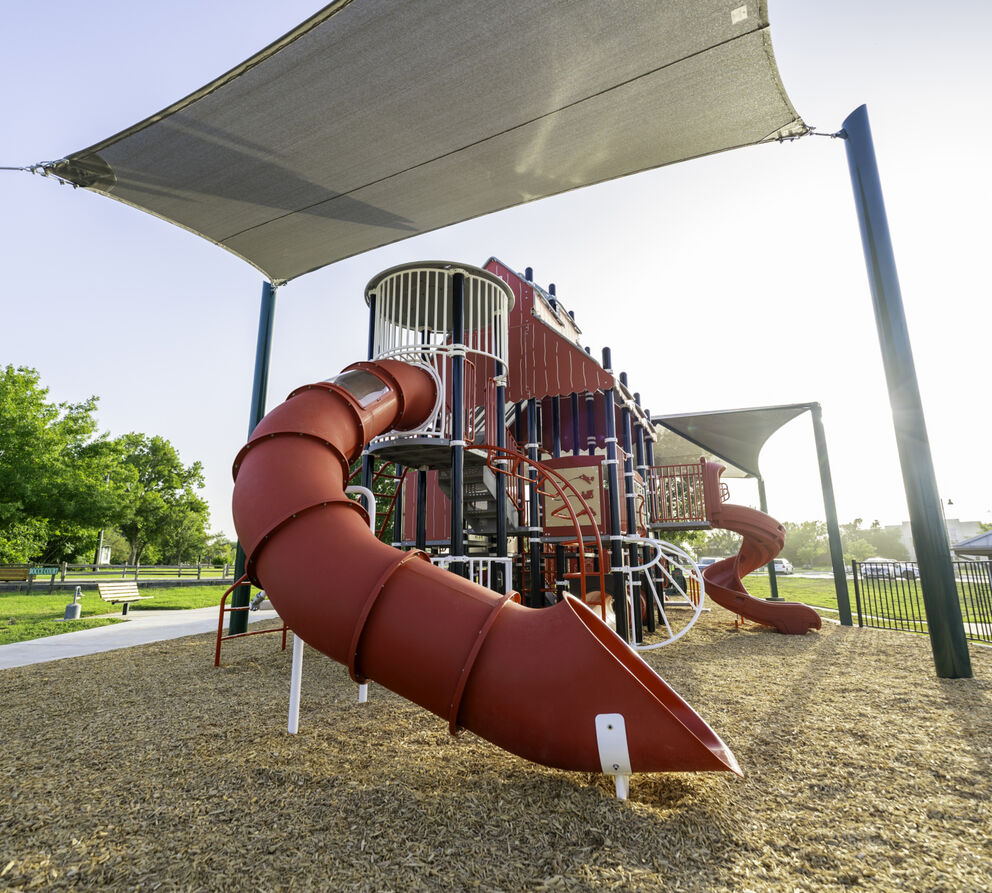
Metal, plastic, rubber, and other materials can become hot enough to cause contact burns, even when the surrounding air doesn't feel especially hot. Surface color, material properties, orientation, and direct sun exposure can all influence conditions.
This makes equipment placement and material selection important parts of the design conversation.
For example, consider which slides, platforms, handholds, and other frequently touched components will receive direct afternoon sunlight. Look at how shade, equipment orientation, and surrounding surfaces might influence exposure.
It's also important to consider the playground's safety and accessibility requirements when evaluating surfacing options.
No single material or design feature guarantees a cool playground. Instead, thoughtful planning brings multiple considerations together to create a space suited to its location and intended use.
4. Make Room for Breaks and Different Play Needs
A great school playground isn't just about climbing, sliding, and running. It's also about giving students places to pause, gather, and participate comfortably.
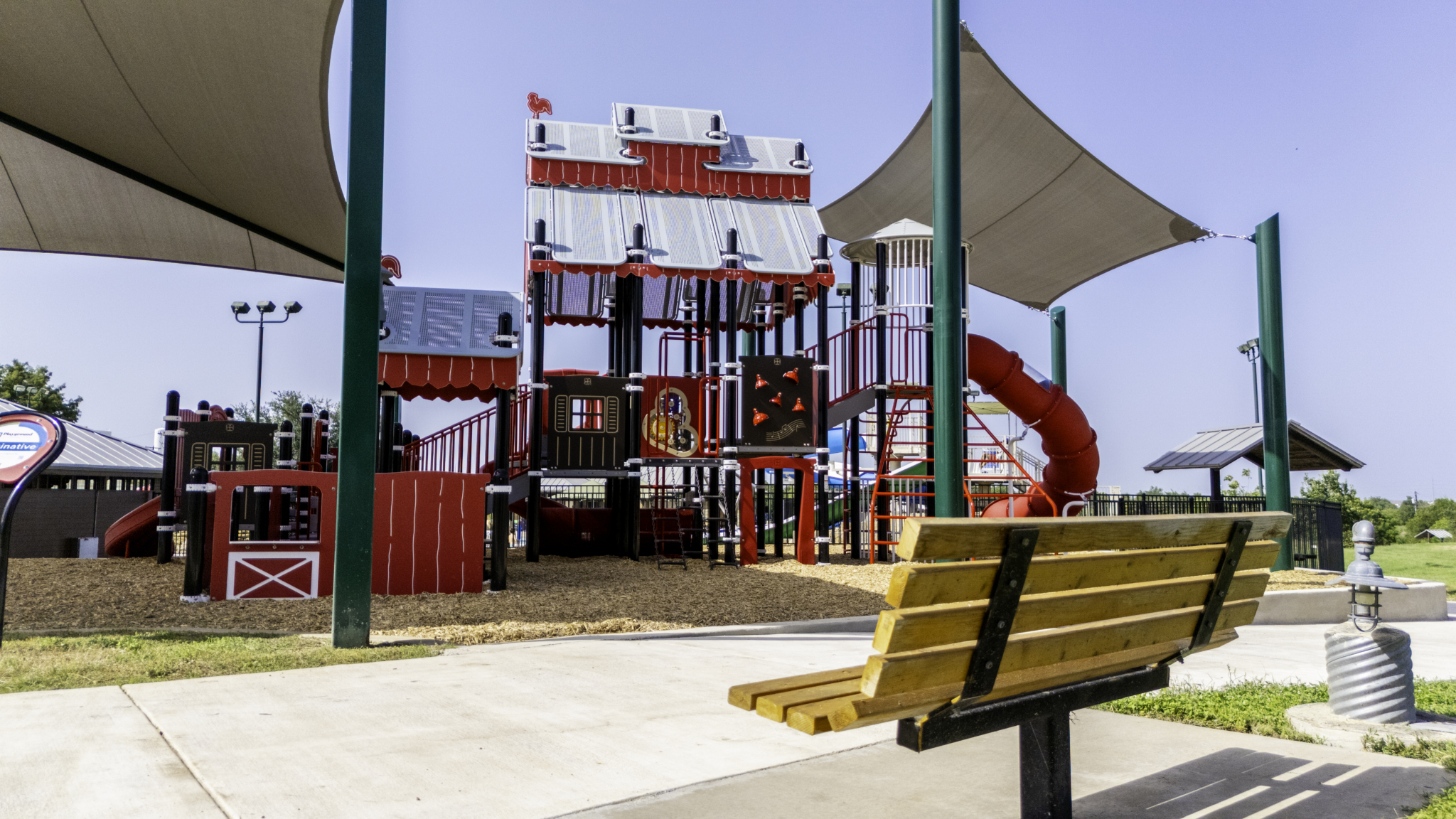
Shaded seating, convenient access to drinking water, and accessible gathering spaces can all contribute to a more thoughtful playground environment.
Consider the different ways students experience outdoor play. Some children move constantly, while others prefer quieter activities. Students with mobility limitations or other individual needs may have fewer options for quickly moving away from an uncomfortable surface or changing conditions.
Including a variety of spaces helps schools support different play styles and participation needs.
Think beyond the equipment itself and consider how the entire playground works together.
5. Plan for Conditions to Change
Even a well-designed playground needs ongoing attention.
Trees grow, shade patterns shift, equipment ages, and weather conditions vary throughout the school year. A playground that works well during one season may need different considerations during another.
Schools should establish procedures for monitoring weather and playground conditions, providing breaks and hydration, and adjusting outdoor activities when necessary.
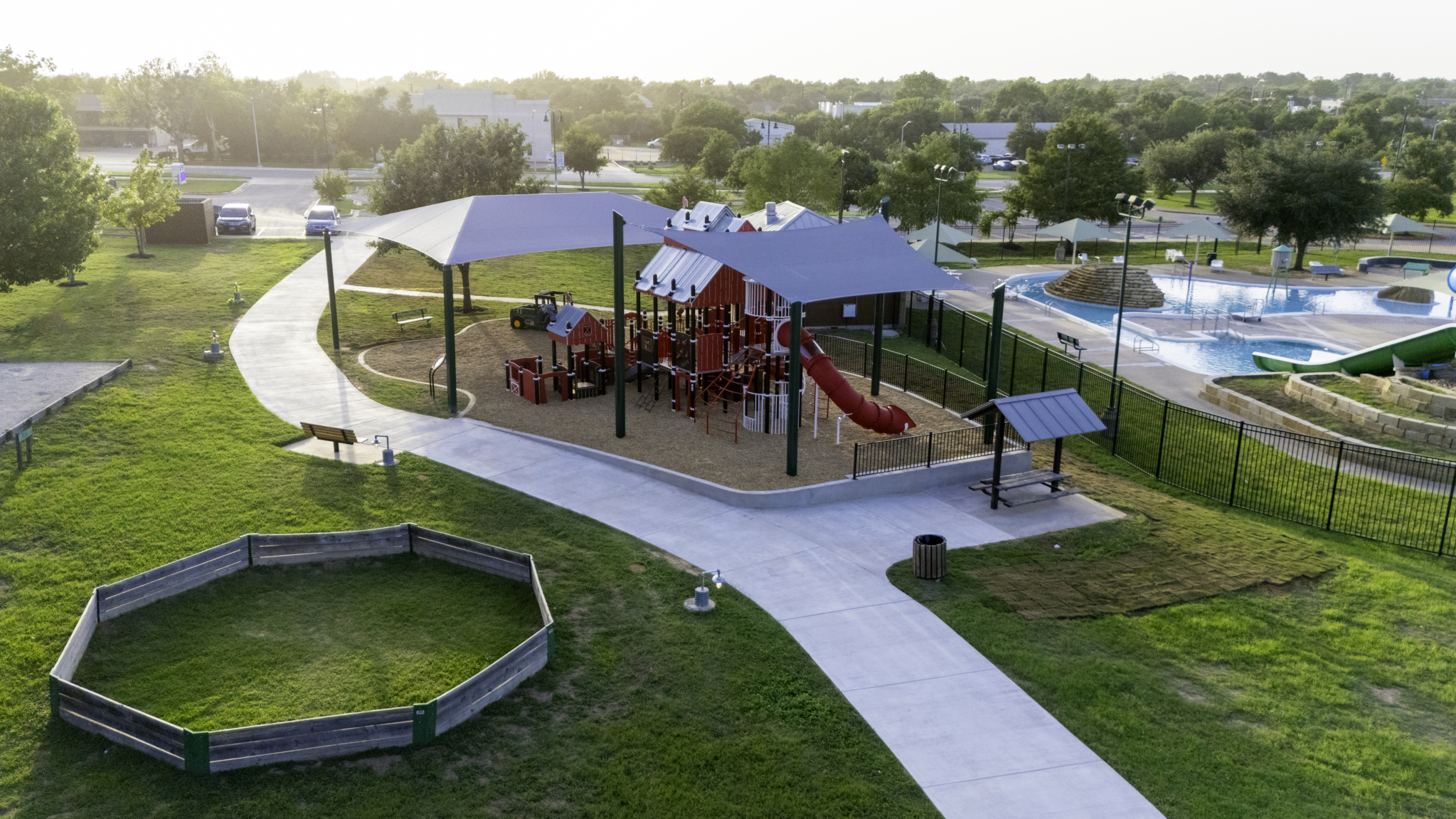
It's also worth revisiting the playground after installation. Are shaded areas being used as expected? Have new sun-exposed areas developed? Are students gathering in places that weren't anticipated during the design process?
These observations can help guide maintenance and future improvements.
Design decisions can support a school's approach to hot weather, but they don't replace local health guidance or district operating procedures.
Better Playgrounds Start With Thoughtful Planning
There's no single solution for managing heat on a school playground. Shade, equipment placement, materials, landscaping, and daily operations all play a role.
The good news? Many of these considerations can be addressed early in the design process, when there's still flexibility to make meaningful decisions about the site.
Planning a new school playground?
Your local Playcraft Systems consultant can help you explore equipment layouts, shade considerations, accessibility, and other design details to create a playground that fits your school, your students, and your community.